
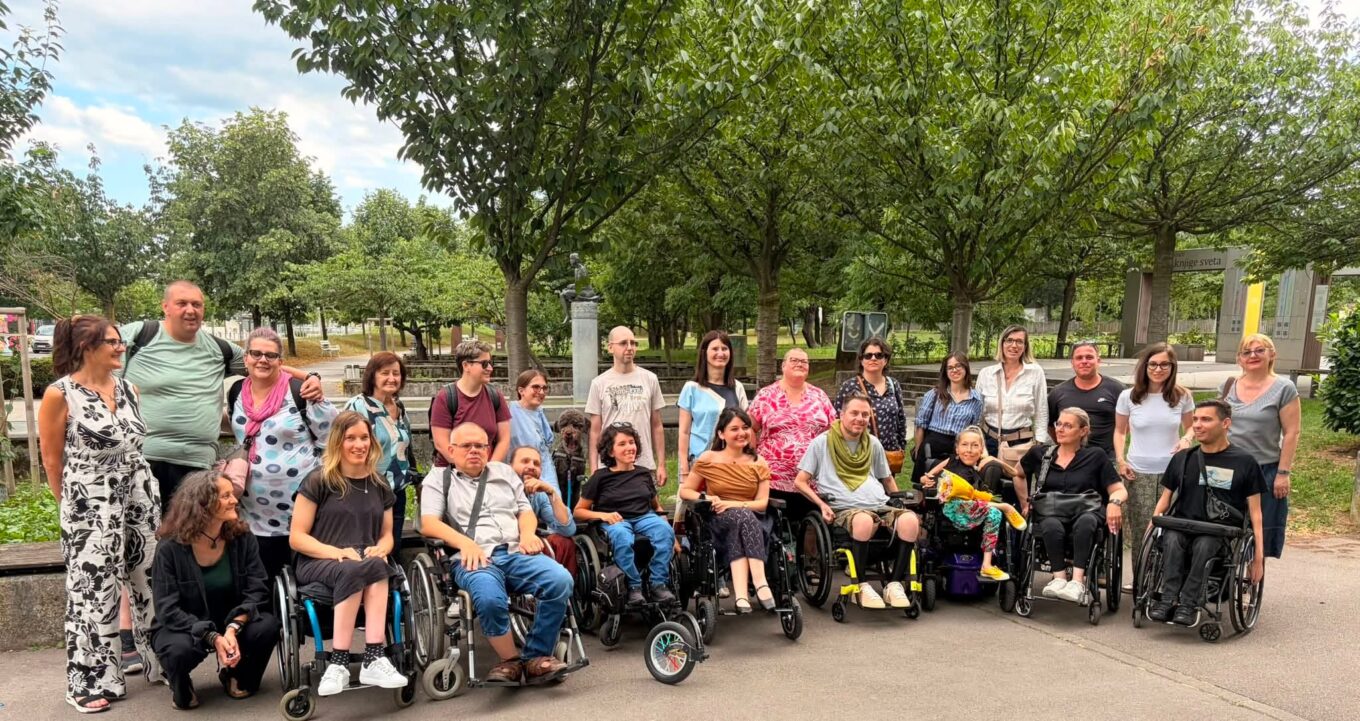
On 1–2 July, Karine Grigoryan, President of “Agate” NGO, participated in the Study Visit Programme on Personal Assistance and Deinstitutionalisation in Ljubljana, Slovenia.
The visit was organised by the European Network on Independent Living (ENIL) and hosted by the YHD – Association for Theory and Culture of Handicap. It took place within ENIL’s PRIDE project and was co-funded by the European Union.
During the two-day programme, participants learned about the history of advocacy for personal assistance in Slovenia, the current system, YHD’s services, and the challenges encountered in their implementation.
One of the central messages of the visit was that Centres for Independent Living must be created, governed, and led by disabled people, following the principle of being “by and for persons with disabilities.”
Participants were introduced to Slovenia’s personal assistance system, under which, depending on individual needs, an eligible disabled person may receive up to 24 hours of support per day and work with more than one personal assistant.
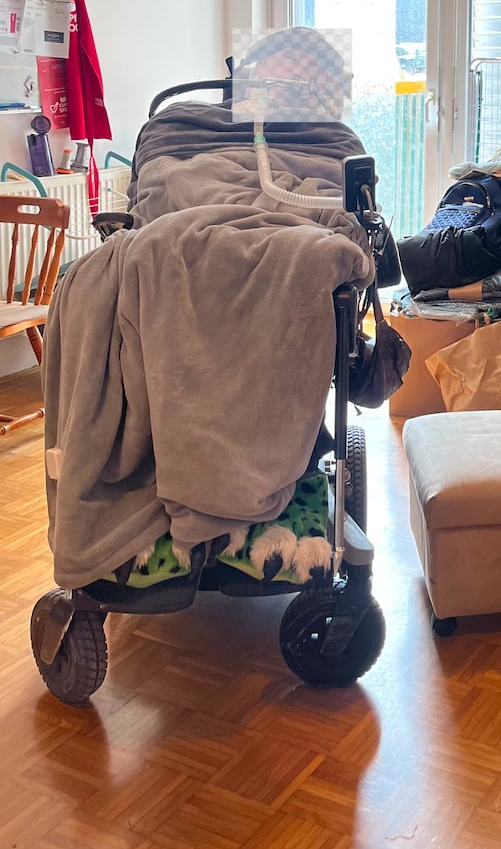
The programme also included visits to transitional apartments and the private homes of disabled people living independently in the community. A particularly powerful part of the visit was meeting Aleksandr, a person with significant support needs and a beneficiary of the deinstitutionalisation process. He now lives in his own home in the community and organises his daily support with five personal assistants.
Slovenia has also established a specialised coordination centre for deinstitutionalisation. One important lesson shared during the visit was:
“Deinstitutionalisation should begin with persons with significant support needs, rather than only with the easiest cases. Otherwise, the process will take too long, and we may never reach those who need change most.”
The study visit demonstrated that when appropriate personal assistance and community-based support are available, people with significant support needs can live independently, make their own decisions, and participate fully in community life.
Sincere thanks to ENIL, YHD, the experts, hosts, and everyone who shared their knowledge and lived experience.