What happens when a woman with a disability becomes the trainer, and women without disabilities become her students? Sometimes, a simple learning experience can challenge deeply rooted stereotypes and change the way people see one another.
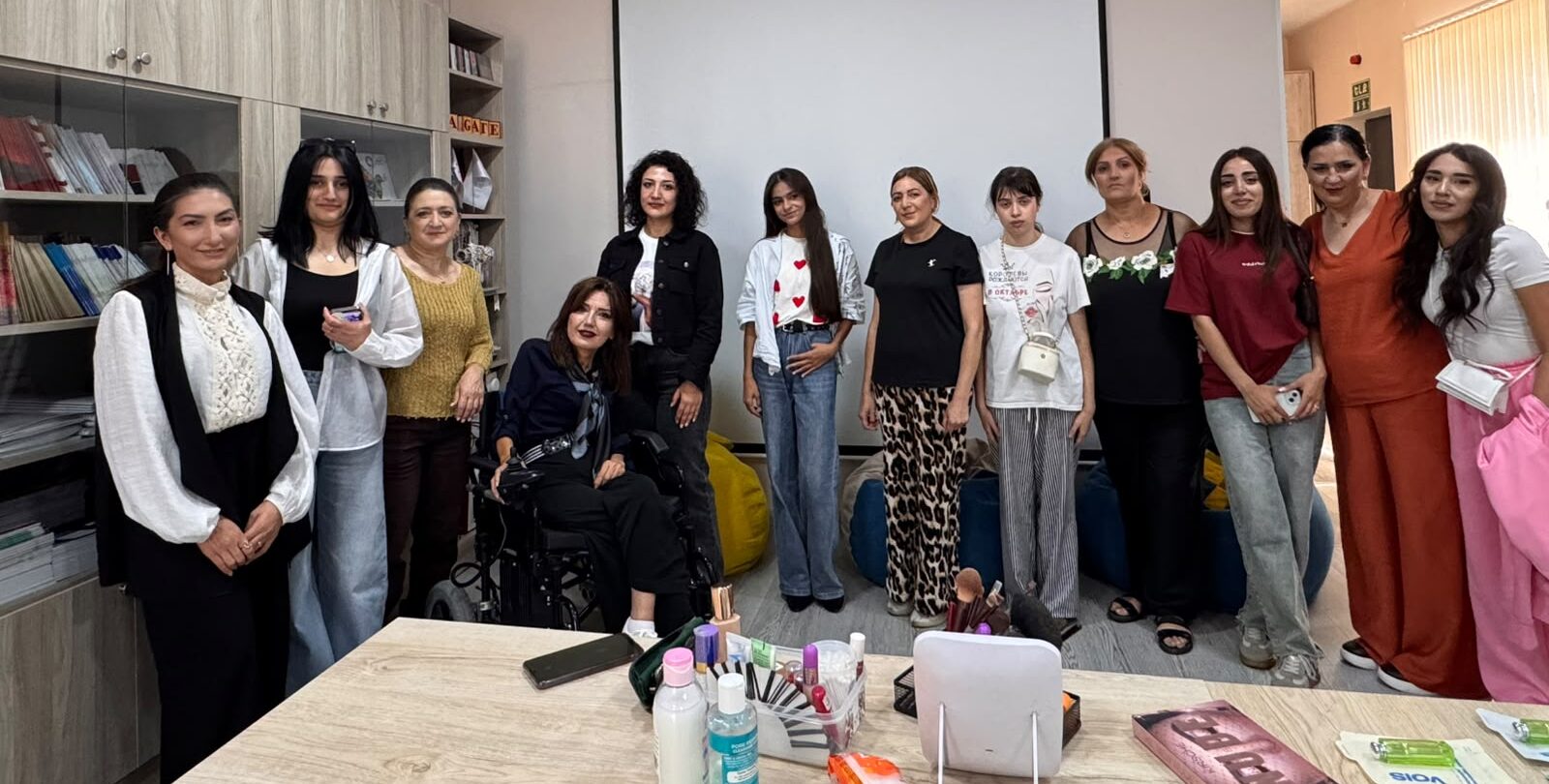
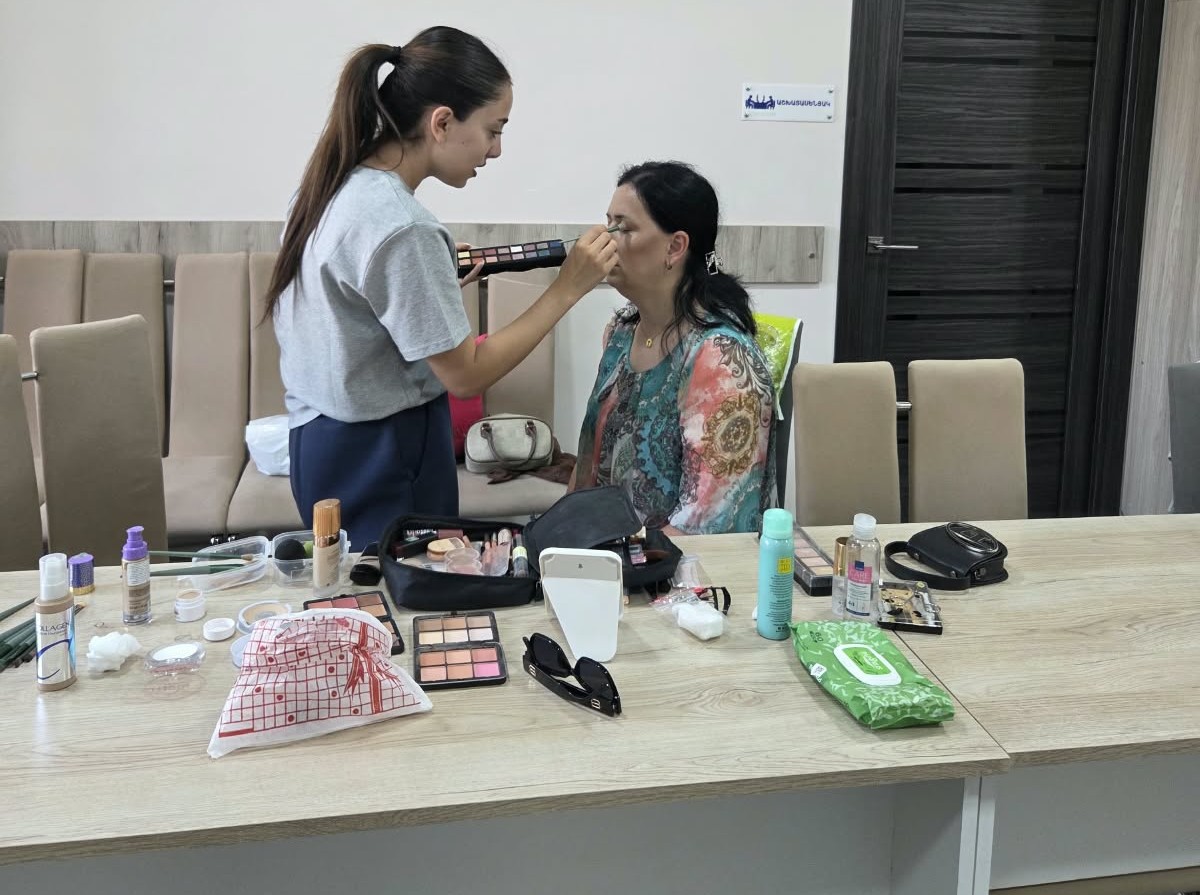
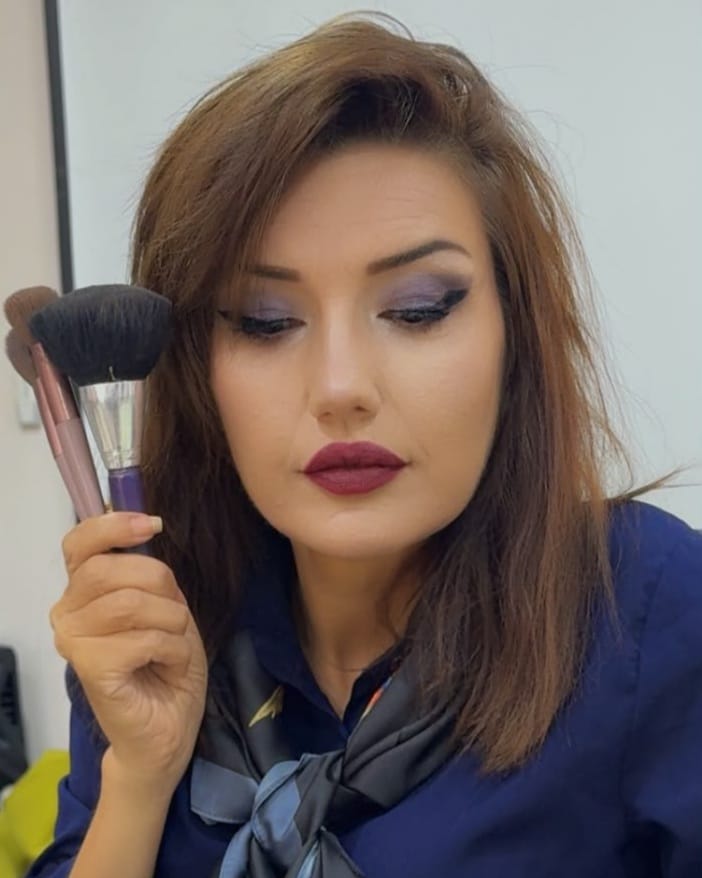
In a rural community in Armenia, Kristine, a young woman who uses a wheelchair, is demonstrating what inclusion looks like in practice. With technical support from “Agate” Rights Defense Center for Women with Disabilities NGO, she is leading a series of community-based make-up workshops for local women and girls.
Kristine is responsible for the entire process: recruiting participants, organizing the workshops, and teaching make-up techniques herself. She is not simply taking part in a community activity; she is making it happen.
There is one particularly important detail about these workshops: Kristine is the only person with a disability among the participants, all of whom are women without disabilities.
This reverses a familiar pattern. Too often, persons with disabilities are positioned as recipients of support, training, or assistance provided by people without disabilities. Their skills, knowledge, and leadership potential may be overlooked, while their ability to teach others or take responsibility for community initiatives is met with skepticism.
Kristine’s workshops challenge this pattern directly. She takes the role of the expert, shares her knowledge, and creates an opportunity for others to learn from her.
When Experience Challenges Assumptions
The workshops teach practical make-up skills, but their significance extends far beyond beauty techniques. They bring women together in a shared learning environment where participants can build relationships, exchange experiences, and discover one another’s abilities.
Instead of simply hearing that women with disabilities can lead and teach, participants experience it firsthand. They see Kristine organizing the sessions, communicating with participants, sharing her skills, and guiding their learning.
This matters because stereotypes often persist when people with disabilities are rarely seen in positions of expertise or leadership. Meaningful interaction can challenge these assumptions and encourage people to recognize individuals for their abilities, knowledge, and personalities rather than defining them by disability.
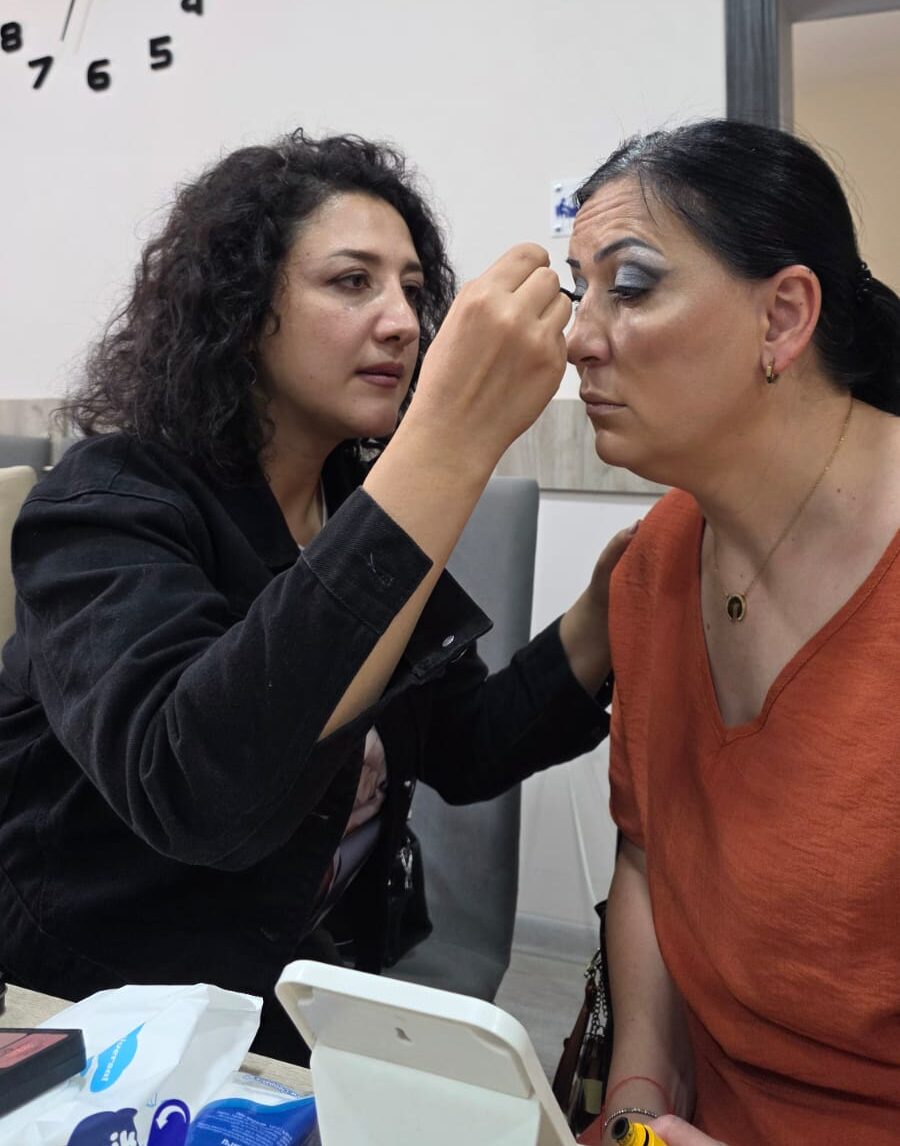
For Naira Arakelyan, who does not have a disability and whose mother has a physical disability, the initiative also resonates with her personal experience.
“Having a mother with a physical disability has helped me understand how important people’s attitudes and opportunities are. I believe we should look beyond disability and recognize what each person can do. Seeing a woman with a disability lead a training and share her knowledge is a powerful reminder that people should have the opportunity to demonstrate their abilities rather than be judged in advance.”
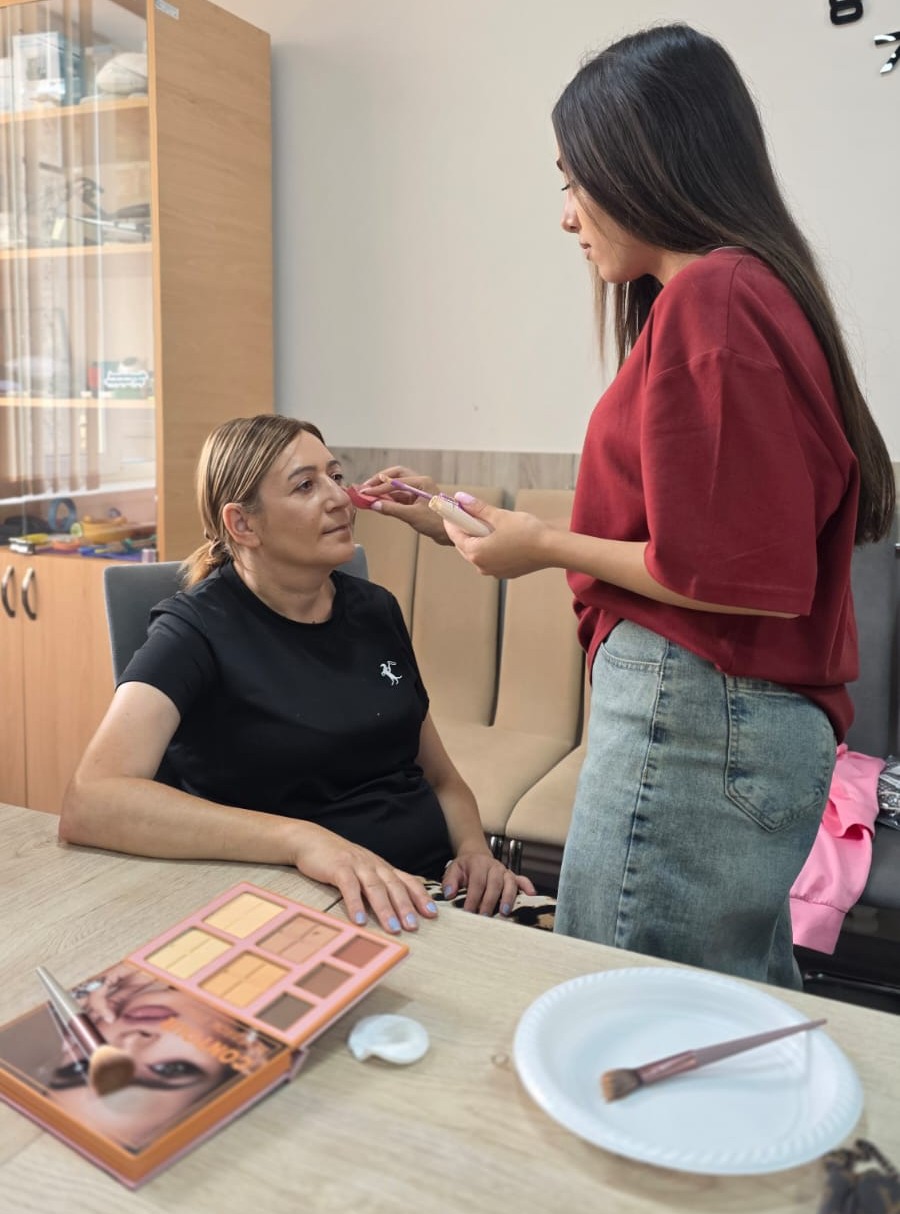 Amalya Vardanyan, another participant without a disability, values the opportunity to learn new skills while connecting with others.
“For me, these workshops are about more than learning make-up techniques. They are also an opportunity to meet people, share experiences, and learn from one another. When a woman with a disability leads a training, we can see her skills and abilities directly. Initiatives like this can help us become more open-minded and build a community where everyone has the opportunity to contribute.”
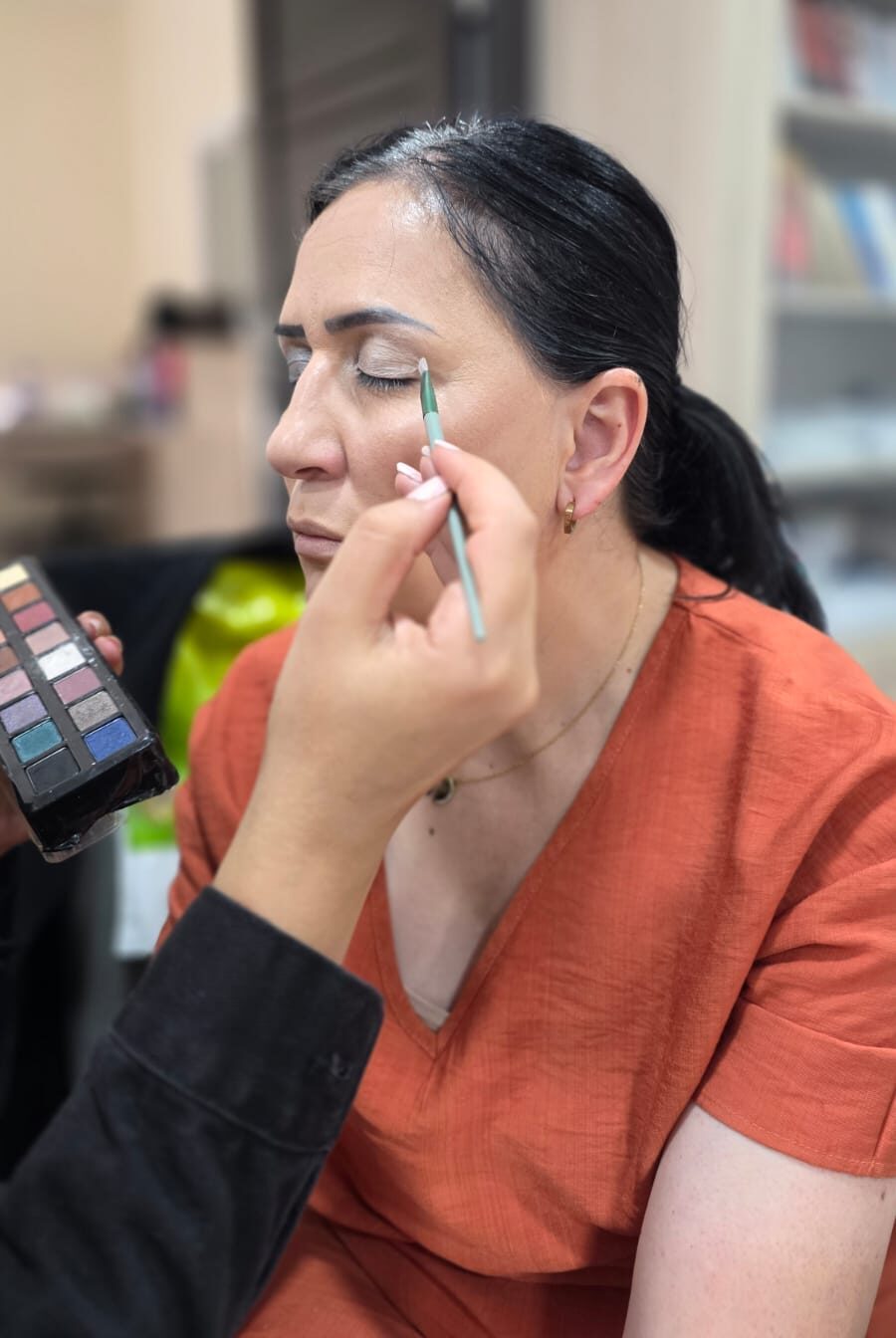 Satik Nikoghosyan, who also does not have a disability, highlights the importance of personal interaction in changing perceptions.
“Sometimes people underestimate what persons with disabilities can do simply because they have not had the chance to see their abilities in practice. These workshops show that a woman with a disability can teach others, lead an activity, and bring people together. I believe we need more opportunities like this, where we get to know one another through shared experiences rather than stereotypes.”
Inclusion Means Recognizing Leadership
For Kristine, leading the workshops means putting her knowledge into practice, taking initiative, and actively shaping community life. For participants, it offers an opportunity to develop practical skills while experiencing a different model of leadership.
Inclusion is not only about ensuring that persons with disabilities can access services, attend activities, or receive support. It is also about recognizing their expertise, trusting their abilities, and creating opportunities for them to lead.
Too often, conversations about disability focus on what persons with disabilities need, while overlooking what they know, what they can teach, and what they can contribute. Kristine’s initiative offers a different perspective: women with disabilities are not only participants in community development; they can also be the people who lead it.
Genuine inclusion means more than opening doors for persons with disabilities. It means recognizing their knowledge, trusting their leadership, and ensuring that they have the opportunity to create opportunities for others.
By taking the lead, Kristine is showing her community that disability does not define a person’s potential to teach, organize, inspire, or lead. And by learning from her, the participants are experiencing a simple but powerful truth: everyone deserves to be recognized for what they can do, not limited by what others assume they cannot.